Milford Sound: Weather Patterns and Best Viewing Seasons
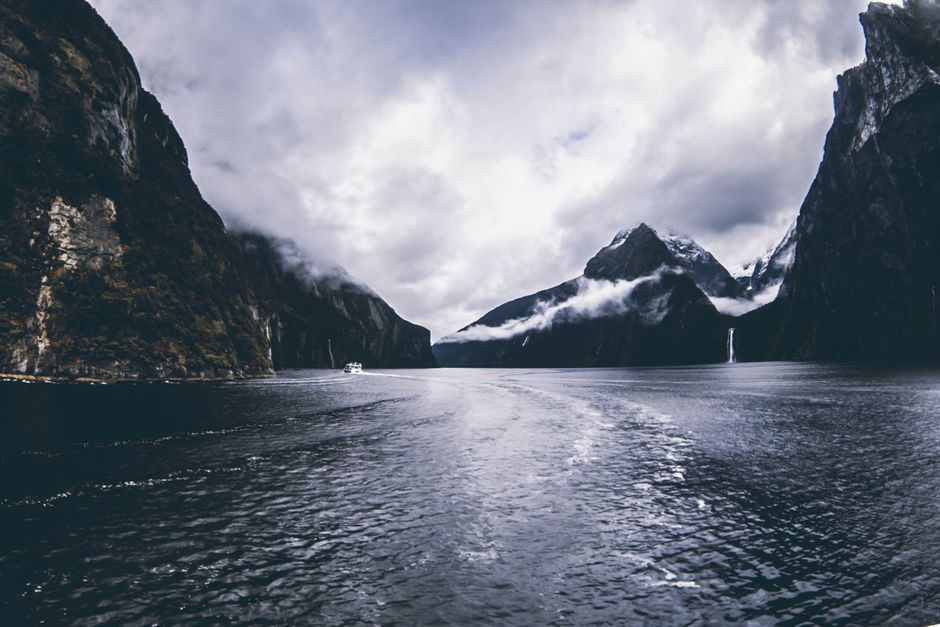
Milford Sound, located in the heart of Fiordland National Park on New Zealand’s South Island, is renowned for its dramatic scenery and complex weather patterns. The fiord’s unique geography, with steep mountains rising from the water, creates a microclimate that experiences some of the highest rainfall levels in the world. Understanding these weather patterns is essential for anyone planning to visit, as they influence everything from waterfall activity to light conditions and overall viewing experiences.
This article examines the seasonal variations in rainfall, the resulting waterfall dynamics, and the quality of light throughout the year. It also discusses how these factors might affect different activities, such as cruising or kayaking, and provides context for considering the best viewing seasons. By focusing on the meteorological and environmental processes, visitors can make informed decisions that align with their preferences and comfort levels.
Whether you are a photographer seeking optimal light, a nature enthusiast hoping to witness thundering waterfalls, or simply curious about Fiordland’s climate, this overview offers a process-oriented perspective. It emphasizes transparency about conditions and acknowledges that personal experiences depend on multiple external factors, including weather variability and individual preparation.
Rainfall Patterns and Their Drivers
Milford Sound receives an average annual rainfall of approximately 6,800 millimeters, making it one of the wettest inhabited places on Earth. This extreme precipitation is driven by the prevailing westerly winds that carry moist air from the Tasman Sea. As this air mass encounters the Southern Alps, it is forced to rise, cool, and condense, resulting in frequent and intense rainfall. The fiord’s narrow valley funnels these weather systems, concentrating precipitation over the sound and surrounding peaks.
Rainfall is distributed relatively evenly throughout the year, but there are seasonal nuances. Winter months (June to August) often bring more persistent rain, sometimes falling as snow at higher elevations. Summer (December to February) can see slightly less frequent but still substantial downpours. The transition seasons of spring and autumn exhibit variable patterns, with occasional clear days interspersed with heavy rain. This consistent moisture sustains the lush rainforest that clings to the cliffs and feeds the numerous temporary waterfalls.
The high rainfall also creates a unique phenomenon: a freshwater layer that sits atop the denser saltwater of the fiord. This layer, stained with tannins from the surrounding forest, absorbs light and creates a dark, reflective surface that enhances the dramatic scenery. Understanding these rainfall dynamics helps visitors appreciate why the region is so verdant and why waterproof gear is often recommended, regardless of the season.
Waterfall Activity Through the Seasons
Waterfall activity in Milford Sound is directly linked to rainfall patterns. After heavy rain, hundreds of temporary waterfalls cascade down the sheer rock faces, some plunging over 1,000 meters. These ephemeral falls are a spectacular sight, but they may diminish or disappear during drier spells. The two permanent waterfalls, Stirling Falls and Bowen Falls, flow year-round, though their volume varies with precipitation.
During the wetter months, from late autumn through early spring, the waterfalls are typically at their most powerful. The constant supply of rain ensures that even the temporary falls remain active for extended periods. This period offers a dynamic landscape, with mist and spray often adding to the atmosphere. However, the abundance of water can also mean reduced visibility at times, as low clouds and rain can obscure distant peaks.
In summer, while rainfall is still significant, there may be more frequent breaks between systems. This can lead to a cycle of waterfall activation and recession. The interplay of rain and sun can produce rainbows and fleeting moments of clarity. For those interested in witnessing the full force of the falls, the shoulder seasons of autumn and spring might provide a balance between active waterfalls and occasional clear skies. It is worth noting that conditions can change rapidly, and local forecasts are valuable tools for planning.
Seasonal Light Conditions and Their Influence
Light conditions in Milford Sound vary dramatically with the seasons, affecting photography and overall visual experience. In summer, the sun rises early and sets late, providing long daylight hours. However, the sun’s high angle can create harsh contrasts, with deep shadows in the fiord and bright highlights on the peaks. This can be challenging for photographers but also offers opportunities for dramatic compositions. The extended twilight during summer months can cast soft, golden hues on the landscape.
Winter brings shorter days and a lower sun angle, resulting in softer, more diffused light. The sun’s path is more northerly, and it may only briefly illuminate parts of the fiord. This low light can enhance the moody, atmospheric quality of the scenery, with mist and clouds often adding depth. However, the limited daylight hours mean that activities like cruising may be restricted to a narrower window. The angle of light in winter can also highlight the textures of the rock faces and the subtle colors of the vegetation.
Spring and autumn offer intermediate conditions, with moderate day lengths and a sun angle that can produce a mix of direct and indirect lighting. These seasons often provide the most balanced light for photography, with the potential for stunning sunrises and sunsets. The changing light also interacts with the frequent rain, creating dynamic skies and occasional rainbows. Visitors should be prepared for rapid shifts in light and weather, as these are inherent to the fiord’s environment.
Considering the Best Viewing Seasons
When considering the best viewing seasons for Milford Sound, it is important to recognize that each season has distinct characteristics. The peak tourist season coincides with summer (December to February), when warmer temperatures and longer days make outdoor activities more comfortable. However, this period also attracts larger crowds, and the increased traffic may impact the sense of solitude. The weather can still be wet, but the milder conditions are generally favorable for cruising and walking.
Winter (June to August) offers a quieter experience, with fewer visitors and a chance to see the fiord in a more pristine state. The cooler temperatures and shorter days require careful planning, and some services may have reduced hours. However, the dramatic weather, including possible snow on the peaks, can create a magical atmosphere. The lower light and frequent rain can also mean that waterfalls are particularly active, though accessibility might be more challenging.
Spring (September to November) and autumn (March to May) are often considered shoulder seasons. They provide a compromise between weather, crowds, and cost. During these periods, the weather can be unpredictable, but there are often clear days that showcase the fiord’s beauty. Waterfall activity remains high, and the light conditions can be excellent for photography. Ultimately, the best time depends on individual preferences for weather, crowd levels, and specific activities.
Practical Considerations for Visitors
Regardless of the season, visitors to Milford Sound should prepare for wet conditions. Waterproof clothing and sturdy footwear are recommended, as rain can occur at any time. The fiord’s weather can change rapidly, so flexibility in plans is beneficial. It is also advisable to check local forecasts and road conditions, as the access road can be affected by weather events. Booking activities in advance is common during peak times, but outside these periods, there may be more spontaneity.
For those interested in the natural environment, understanding the rainfall and waterfall cycles can enhance the experience. The freshwater layer and its effect on light penetration, for example, contribute to the unique ecosystem. The interplay of weather and landscape is a key part of what makes Milford Sound a dynamic destination. Acknowledging that outcomes depend on multiple factors, from weather patterns to personal comfort, can help set realistic expectations.
Lastly, it is worth noting that the region is part of a protected national park, and visitors are encouraged to follow responsible tourism practices. This includes staying on designated tracks, respecting wildlife, and minimizing environmental impact. By doing so, future generations can continue to enjoy the fiord’s remarkable weather-driven spectacles.