Initial Consultation
We begin by understanding your travel goals, timeline, and specific interests in New Zealand's diverse environments.

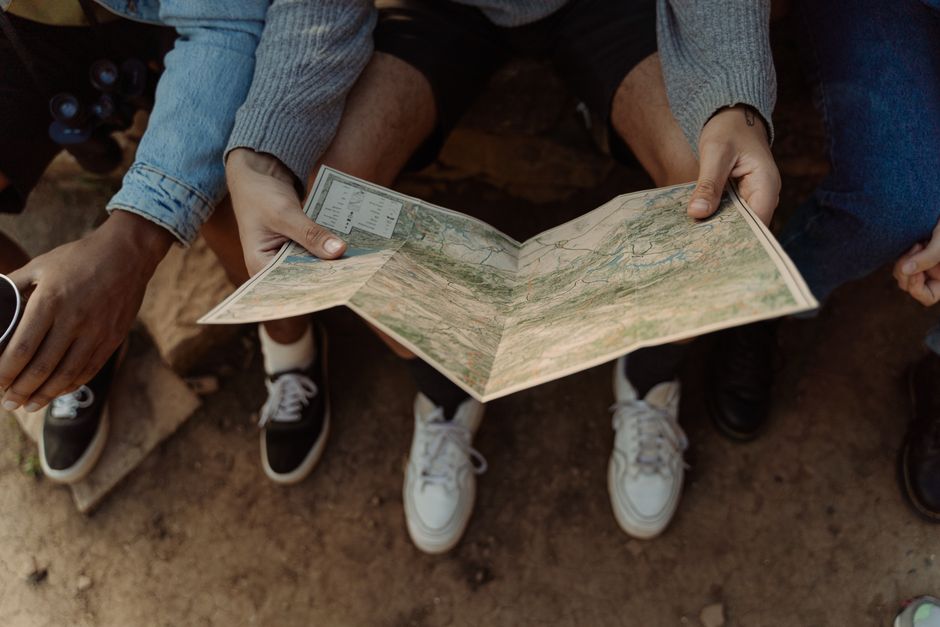
Methodology guides every aspect of our planning. Landscapes are analyzed according to climate, elevation and seasonal conditions. Observation routes for independent travel are prepared using documented biodiversity data, weather records and track conditions, all subject to change. For travellers who prefer additional interpretation, our network of licensed local collaborators supports structured observation departures across New Zealand. We never promise specific wildlife encounters as they cannot be programmed. Schedules are adaptable and always depend on environmental factors and local conditions beyond our control.
We begin by understanding your travel goals, timeline, and specific interests in New Zealand's diverse environments.
Our team analyzes possible observation routes, factoring in seasonality, accessibility, and local conditions for.
We design a structured plan that outlines likely wildlife viewing spots, walking options, and safety considerations.
All logistics are finalized with local partners, while remaining flexible to possible weather or environmental changes across New Zealand.
When planning itineraries, our team takes into account climate patterns, seasonal wildlife activity, and accessibility of natural areas. For example, some species are best observed during specific months, while weather conditions can affect trail availability. These variables inform how routes are sequenced and timed, without implying any guaranteed sightings. The goal is to create flexible plans that align with natural cycles and practical logistics across New Zealand.

At Kiwi Wild, coordinating guided nature itineraries across New Zealand involves a structured process that begins with consulting local experts. We assess seasonal conditions, access permissions, and travel logistics, then select observation routes based on ecological significance and guest interests. Each itinerary integrates transport, accommodation, and guided activities, with flexibility for weather and conservation requirements. Local knowledge informs timing and location choices, helping to align visits with natural cycles. Our role is to manage these logistics and provide context, allowing travellers to focus on observing New Zealand's landscapes and wildlife.
Every itinerary begins with a detailed review of your Interests, available time, and travel dates. We then cross-reference season, regional weather patterns, accessibility, and wildlife activity windows. Each route passes internal checks for safety, permits, and local conditions. Because nature is dynamic, actual execution depends on real-time factors such as weather, track status, volcanic activity, and species behavior. These variables mean no two trips unfold exactly the same.
Subscribe for occasional articles on forests, mountains, volcanoes, fjords, and native wildlife. Our specialists share practical guidance on national parks, seasons, and where to observe nature.